
Key takeaways
- Foreigners have the same property rights as Costa Rican citizens, including full fee-simple ownership.
- Land within 200 meters of the high tide line is maritime zone property, with stricter rules and often a concession.
- Hire a local real estate attorney to verify title, liens and zoning through the National Registry before you buy.
- You sign the deed before a notary, who registers the transfer. Transfer taxes and fees run about 3% to 4% of the price.
Costa Rica, with its stunning landscapes, friendly locals, and stable economy, has become a dream destination for individuals seeking a permanent home, vacation retreat, or investment property. Among its many picturesque regions, Playa Hermosa on the Central Pacific Coast stands out for its natural beauty, surf culture, and close-knit community. However, purchasing property in Costa Rica requires careful planning and understanding of the buying process. This guide walks you through the steps to secure your slice of paradise in Playa Hermosa or elsewhere in Costa Rica
Why Invest in Playa Hermosa?
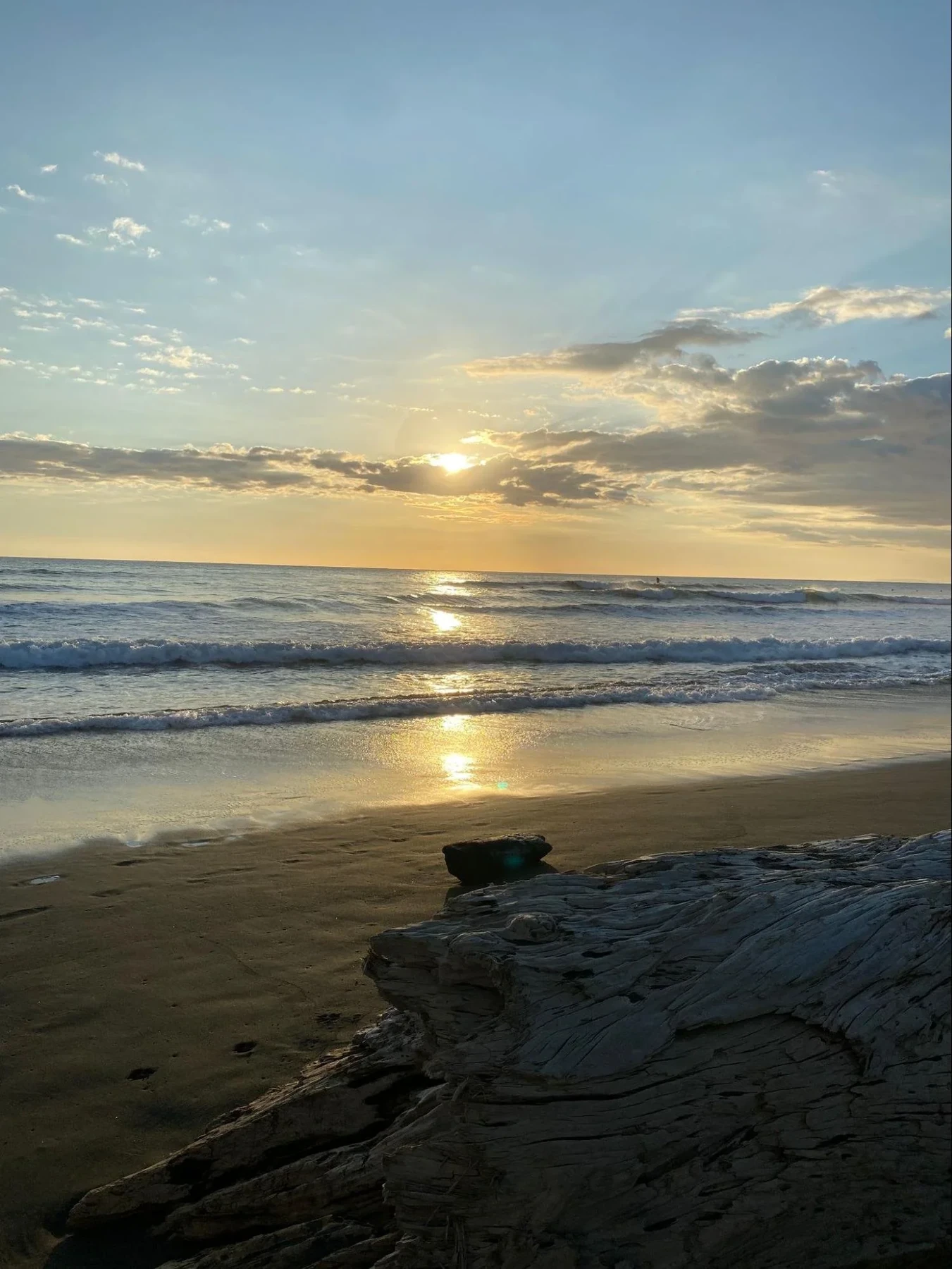
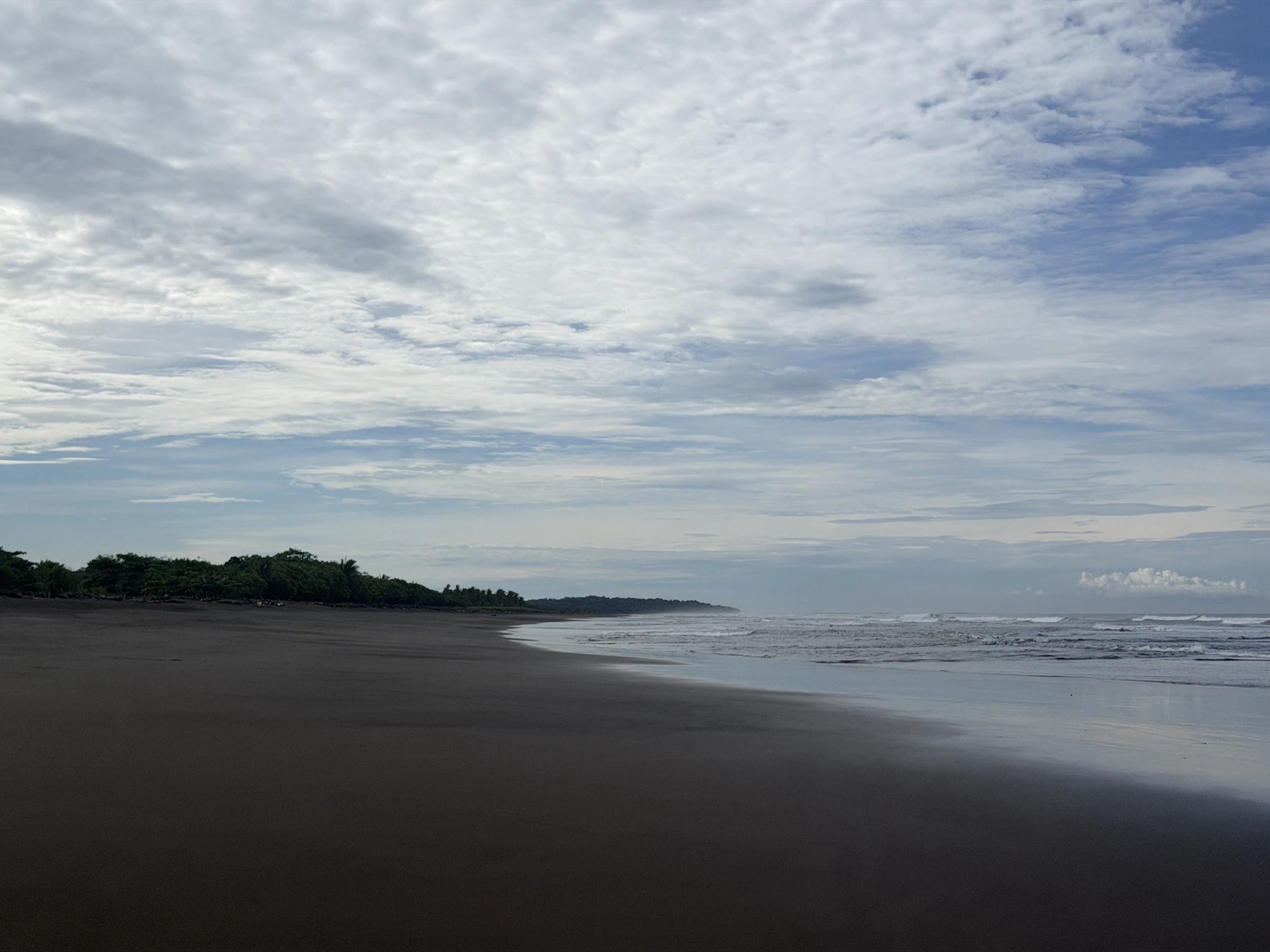
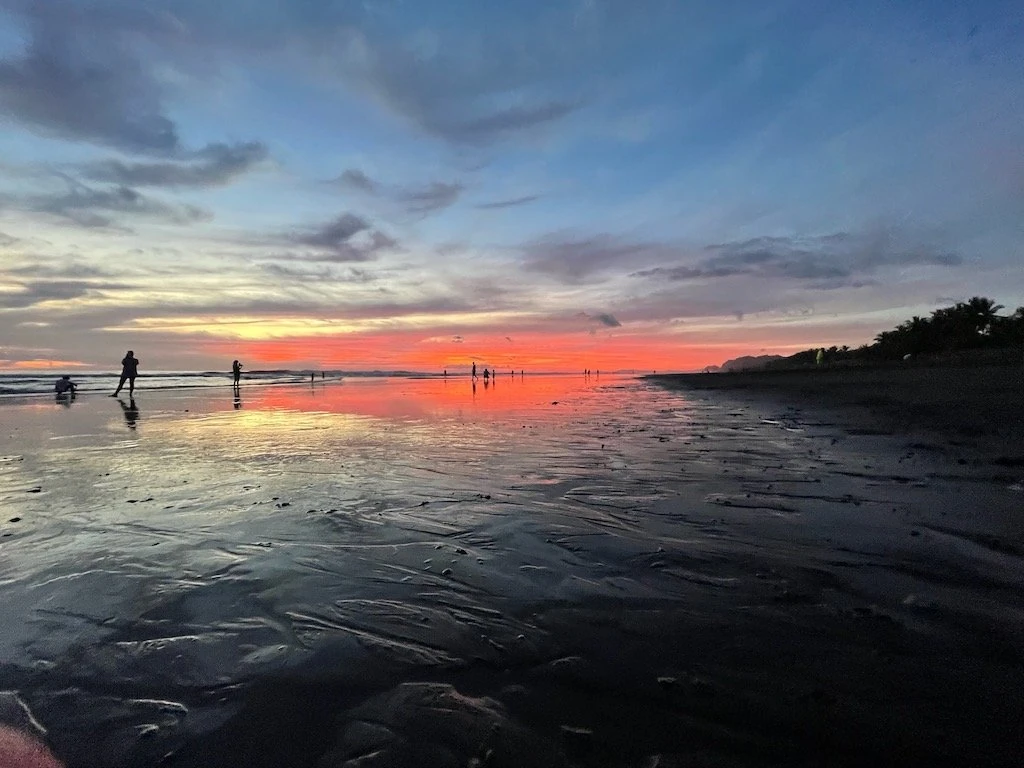
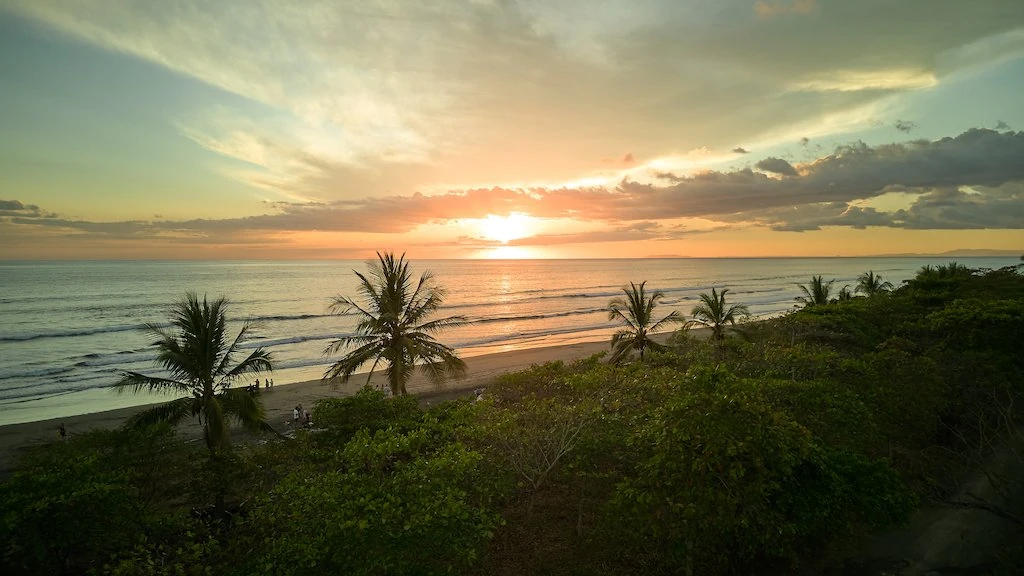
Playa Hermosa, located near Jaco on the Central Pacific Coast, offers an unparalleled lifestyle. Its pristine beaches, world-class surfing spots, and proximity to amenities make it a prime location for property buyers. Additionally, its accessibility—just 90 minutes from San José’s international airport—enhances its appeal for both permanent residents and tourists. Within Playa Hermosa, communities like Místico One of a Kind Beach Community offer a unique blend of exclusivity, sustainability, and beachfront living. Místico is a master-planned community designed for those who seek harmony with nature while enjoying modern comforts.

The Legal Framework for Property Ownership in Costa Rica
Foreigners enjoy the same rights as Costa Rican citizens when it comes to property ownership. This includes fee-simple ownership, which grants full ownership rights to the land and property. The only exception is maritime zone properties (land within 200 meters of the high tide line), which are subject to stricter regulations and often require concessions.
Navigating the Buying Process in Costa Rica
Purchasing property in Costa Rica involves several key steps:
1. Define Your Purpose and Budget
Are you looking for a vacation home, permanent residence, or rental investment? Understanding your goals will help narrow down your options. Determine a realistic budget, including costs for legal fees, property taxes, and any necessary renovations.
2. Find a Reputable Real Estate Agent
Partnering with a knowledgeable real estate agent familiar with Playa Hermosa is crucial. Look for agents who are registered with the Costa Rican Chamber of Real Estate (Cámara Costarricense de Corredores de Bienes Raíces) to ensure professionalism and credibility.
3. Conduct Thorough Due Diligence
Once you identify a property of interest, hire a local attorney experienced in real estate law to conduct a thorough due diligence process. This includes:
- Verifying the property’s title and ownership through the National Registry (Registro Nacional).
- Ensuring there are no liens, encumbrances, or unresolved disputes.
- Confirming zoning regulations and land use permissions, especially for properties near the beach.
4. Make an Offer and Sign a Sales Agreement
When you’re ready to proceed, your attorney will draft a formal sales agreement. This document outlines the terms of the sale, including payment schedule, property details, and any contingencies.
5. Open a Costa Rican Bank Account
Foreign buyers are typically required to transfer funds through a Costa Rican bank. Setting up an account simplifies the transaction process and ensures compliance with local financial regulations.
6. Complete the Transaction
The final step involves signing the property deed (escritura) before a notary public. The notary will register the transfer with the National Registry, officially making you the new owner. Registration fees and property transfer taxes (approximately 3%-4% of the purchase price) are paid at this stage.
Additional Considerations for Playa Hermosa
Infrastructure: Playa Hermosa has reliable infrastructure, but it’s essential to confirm utilities such as water, electricity, and internet availability for your chosen property.
Community: Engage with the local community to better understand the area’s culture and lifestyle. Many expats and locals are eager to share their experiences and offer valuable insights.
Rental Potential: If you’re purchasing as an investment, Playa Hermosa’s popularity with surfers and vacationers ensures strong rental demand. Work with a property management company to maximize returns.
Embrace Your Costa Rican Dream
Purchasing property in Costa Rica, particularly in Playa Hermosa on the Central Pacific Coast, is an exciting opportunity to embrace a lifestyle defined by natural beauty and tranquility. By understanding the legal framework and navigating the buying process carefully, you can secure your dream home or investment with confidence. Whether you’re from Costa Rica, the United States, or Canada, Playa Hermosa and Místico are ready to welcome you to its shores.
Questions & answers
Can foreigners own property in Costa Rica?
Yes. Foreigners enjoy the same property rights as Costa Rican citizens, including fee-simple ownership of land and buildings. The exception is maritime zone land within 200 meters of the high tide line, which has stricter rules and often requires a concession.
What due diligence should I do before buying in Costa Rica?
A local attorney experienced in real estate should verify the title and ownership through the National Registry, check for liens, encumbrances or disputes, and confirm zoning and land use permissions, especially near the beach.
Do I need a Costa Rican bank account to buy property?
Foreign buyers are typically required to transfer funds through a Costa Rican bank, so opening a local account simplifies the transaction and helps you comply with local financial regulations.
What closing costs should I expect in Costa Rica?
Registration fees and property transfer taxes are paid when the deed is signed before a notary, and they come to approximately 3% to 4% of the purchase price.



The best stories start with a visit
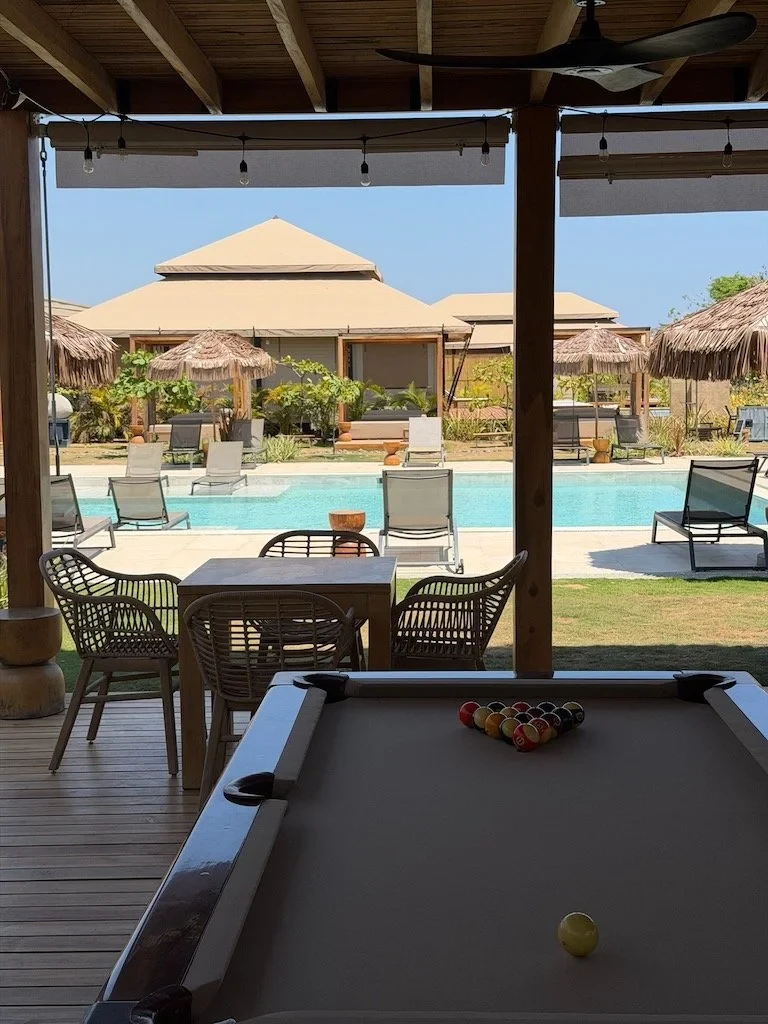
Walk the beach, the lakes and the neighborhoods with someone who knows them, and meet the people already living here. The sales team answers on WhatsApp.