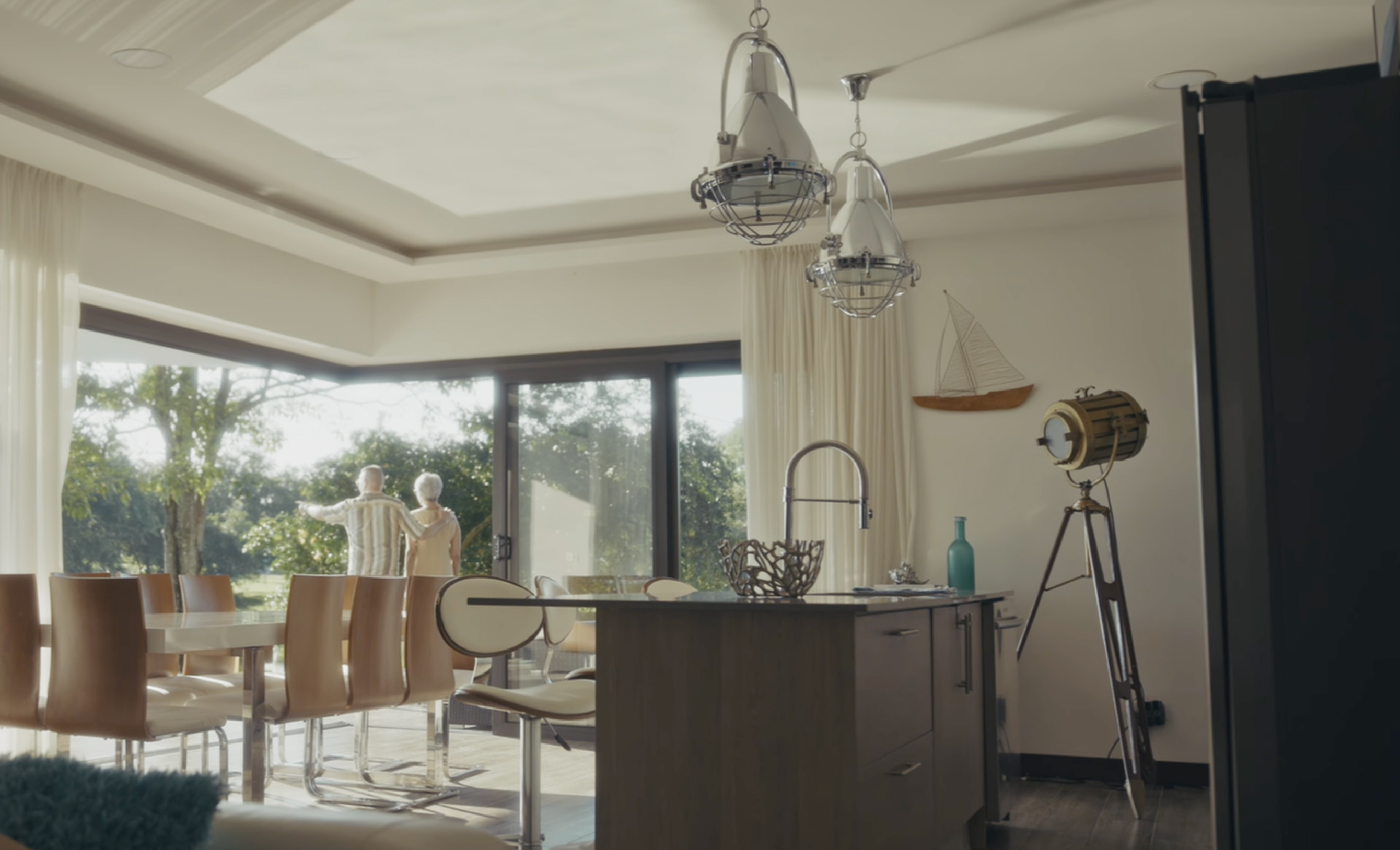
Foreign buyers own property in Costa Rica on the same terms as citizens.
No residency, no local partner, no workaround. Here's what the process actually looks like.
You hold the title
Costa Rica makes no distinction between foreign and national buyers for titled property. You don't need residency, a visa, or a Costa Rican partner. Your name or your company's goes on the deed at the National Registry, and that registry is public, digital, and searchable by anyone.
Most buyers hold property through a Costa Rican corporation rather than personally. It isn't a workaround; it's a convenience. It simplifies resale, succession, and adding or removing owners later. Your attorney will tell you whether it makes sense for your situation.
Six steps, usually eight to twelve weeks
- 1
Choose the property
Visit if you can. If you can't yet, we'll walk you through it on a call with plans, renders, and honest answers about what's built and what isn't.
- 2
Offer and reservation
A signed offer with agreed price and terms, plus a reservation deposit that takes the unit off the market. Refundable if due diligence turns up a problem.
- 3
Due diligence
Your attorney reviews the title at the National Registry, confirms the survey, checks for liens or encumbrances, and verifies the corporation and permits. Typically two to three weeks.
- 4
Purchase agreement and escrow
The formal contract sets out the price, payment schedule, and closing date. Funds go into escrow with a regulated agent, never directly to a seller. Escrow protects both sides and it's standard practice here.
- 5
Closing
A Costa Rican notary, who is an attorney, with more authority than a US notary, prepares and executes the transfer deed. You don't have to be in the country; a power of attorney lets your lawyer sign on your behalf.
- 6
Registration
The deed is filed at the National Registry. Once it's recorded, the property is yours and it's public record.
What it costs beyond the price
Closing costs in Costa Rica run roughly 3.5–4% of the purchase price, covering transfer tax, documentary stamps, registration, and legal fees. By custom these are split evenly between buyer and seller, though it's negotiable.
After closing, annual property tax is 0.25% of the registered value, low by North American standards. Homes above a certain value also pay the solidarity tax, and HOA fees vary by zone. We'll give you the full figure for any specific property before you commit to anything.
Common Questions
Do I need to be in Costa Rica to buy?
No. The whole process can be handled remotely with a power of attorney; many owners visit once for the signing, some never do.
Can I rent it out?
Yes. Short- and long-term rentals are allowed in most projects; ask the sales team about each project's rules and the rental programme.
Does buying give me residency?
Buying property does not grant residency by itself, but a qualifying investment can support a residency application. Your attorney can advise.
Do I need my own lawyer?
We recommend it. An independent attorney reviews the title, drafts the purchase agreement and handles escrow and registration.
What if I'm buying pre-construction?
Pre-construction purchases follow a staged payment plan tied to construction milestones, with the deed transferred at delivery.
Come see it before you decide anything and talk to our team
Tell us how you want to live. The sales team knows every street, lake and trail, and will walk you through the options over WhatsApp or on a visit.